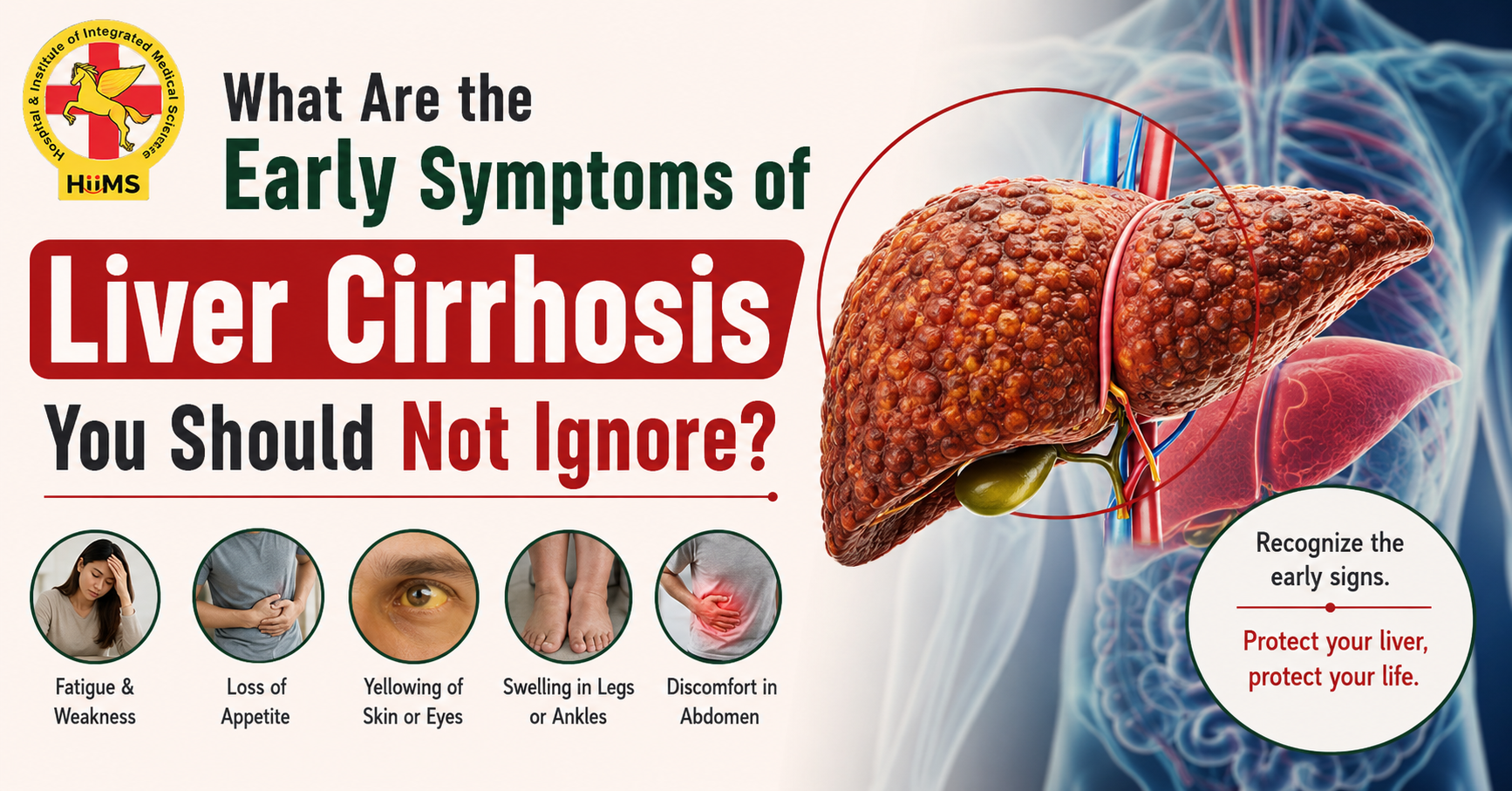
Liver cirrhosis is a progressive condition in which healthy liver tissue becomes damaged and is gradually replaced by scar tissue. In the early stages, cirrhosis may develop quietly, and many people may not notice clear symptoms. As liver damage progresses, however, the body can begin showing warning signs that should not be ignored.
Recognising these early symptoms and seeking timely medical evaluation can help identify liver problems sooner. Jeena Sikho HiiMS focuses on holistic health support, lifestyle guidance, dietary awareness, and traditional wellness approaches for people concerned about liver health.
What Is Liver Cirrhosis?
Liver cirrhosis occurs when long-term damage causes persistent scarring of the liver. The liver performs several important functions, including supporting digestion, processing nutrients, helping regulate metabolism, producing important proteins, and assisting the body in handling various substances.
When extensive scar tissue develops, the normal structure and functioning of the liver can become affected. Cirrhosis can have several underlying causes, including long-standing fatty liver disease, viral hepatitis, prolonged alcohol-related liver injury, certain autoimmune conditions, and some inherited or metabolic disorders.
Because early cirrhosis may not cause obvious symptoms, regular health assessment can be important for people with known risk factors.
Early Symptoms of Liver Cirrhosis You Should Not Ignore
The symptoms of cirrhosis can vary from person to person. Some signs may appear gradually and can easily be mistaken for everyday health problems.
1. Persistent Fatigue and Weakness
Unusual tiredness is one of the symptoms that may occur with liver disease. A person may feel exhausted even after adequate sleep or experience reduced stamina during routine activities.
Persistent fatigue should not automatically be attributed to a busy lifestyle, especially when it continues for weeks or appears alongside other symptoms.
2. Loss of Appetite
A noticeable reduction in appetite can occur when liver function becomes affected. Some people may feel less interested in food or become full after eating only a small amount.
If poor appetite continues or is accompanied by unexplained weight changes, nausea, or weakness, it is worth discussing with a healthcare professional.
3. Unexplained Weight Loss
Unintentional weight loss can be another warning sign. Losing weight without deliberately changing diet or physical activity may indicate an underlying health problem.
In liver disease, changes in appetite, digestion, metabolism, and overall health may contribute to weight loss. Persistent unexplained weight loss should always be evaluated.
4. Nausea or Digestive Discomfort
Some people with liver problems may experience nausea, abdominal discomfort, indigestion, or a feeling of fullness. These symptoms can have many possible causes, so they do not necessarily mean cirrhosis.
However, when digestive symptoms are persistent or occur together with fatigue, appetite loss, abdominal swelling, or changes in skin colour, medical evaluation becomes particularly important.
5. Discomfort or Heaviness in the Upper Right Abdomen
The liver is located in the upper-right portion of the abdomen. Some people with liver disorders may experience discomfort, heaviness, or a feeling of fullness in this area.
Abdominal discomfort has numerous possible causes, but recurring symptoms should not be ignored, particularly in people who already have a history of liver disease.
Visible Changes That May Indicate Liver Problems
As liver disease progresses, certain physical changes may become more noticeable.
6. Yellowing of the Eyes or Skin
Yellowing of the skin or the whites of the eyes is known as jaundice. It can occur when bilirubin builds up in the body.
Jaundice is an important symptom that requires medical assessment because it can be associated with several liver, gallbladder, and blood-related conditions. It should never be ignored.
7. Dark-Coloured Urine
Urine becoming noticeably darker than usual can sometimes occur when bilirubin levels increase. Although dehydration and other factors can also change urine colour, persistent dark urine accompanied by yellowing of the eyes or skin deserves prompt attention.
8. Swelling in the Legs, Ankles, or Feet
Fluid accumulation can cause swelling in the lower limbs. In advanced liver disease, changes in protein production and fluid regulation can contribute to this problem.
Sudden or persistent swelling should be evaluated rather than treated only as a temporary issue.
9. Abdominal Swelling
One of the more noticeable signs of advanced liver disease is an increase in abdominal size due to fluid accumulation, commonly called ascites.
Abdominal swelling that develops without an obvious explanation requires medical attention, particularly if it is accompanied by breathing difficulty, discomfort, reduced appetite, or rapid weight gain.
Other Warning Signs to Watch For
10. Easy Bruising or Bleeding
The liver contributes to the production of proteins involved in normal blood clotting. Significant liver dysfunction can affect this process.
Frequent unexplained bruising, nosebleeds, or unusual bleeding should therefore be discussed with a healthcare professional.
11. Itchy Skin
Persistent itching can sometimes occur with liver and bile-related disorders. It may be widespread and can become particularly uncomfortable at night.
Itching alone does not confirm cirrhosis, but ongoing unexplained itching combined with other liver-related symptoms should be assessed.
12. Changes in Sleep, Concentration, or Mental Alertness
Advanced liver dysfunction can affect the brain and nervous system. Some people may experience difficulty concentrating, unusual sleep patterns, confusion, or changes in alertness.
New or worsening confusion or marked changes in mental status require prompt medical attention.
13. Red Palms or Small Spider-Like Blood Vessels
Certain visible skin changes, including redness of the palms or small spider-like blood vessels, can occur in people with chronic liver disease.
These signs are not specific to cirrhosis and can occur for other reasons, but they may be useful clues when considered alongside other symptoms.
Why Early Recognition Matters
Cirrhosis can progress gradually, and the early stage may produce few or nonspecific symptoms. This makes awareness especially important for people with existing liver risk factors.
Recognising persistent fatigue, appetite changes, unexplained weight loss, digestive problems, jaundice, swelling, or other unusual changes can encourage timely evaluation. Identifying the underlying cause of liver damage is also important because different causes require different approaches.
How Can You Support Better Liver Health?
A liver-friendly lifestyle can form an important part of overall health management. Maintaining a healthy body weight, eating a balanced diet, staying physically active according to individual capacity, avoiding unnecessary substances that may burden the liver, and following appropriate medical advice can support long-term wellbeing.
People with known liver disease should not start supplements, herbal preparations, restrictive diets, or fasting routines without discussing them with a qualified healthcare professional, because some products or practices may not be suitable for every person.
At Jeena Sikho HiiMS, individuals seeking holistic health guidance can learn about nutrition, daily routines, lifestyle practices, and traditional wellness approaches as part of an overall health plan.
When Should You Seek Medical Attention?
You should not ignore symptoms such as yellowing of the eyes or skin, persistent abdominal swelling, vomiting blood, black or tar-like stools, severe abdominal pain, significant confusion, or sudden changes in alertness. These can indicate serious complications and require prompt medical evaluation.
Even when symptoms are mild, persistent or unexplained changes in appetite, energy, weight, digestion, urine colour, or swelling deserve appropriate assessment.
Final Thoughts
Liver cirrhosis may develop silently, making awareness of early warning signs important. Fatigue, reduced appetite, unexplained weight loss, digestive discomfort, abdominal heaviness, itching, jaundice, dark urine, swelling, and unusual bruising are among the changes that should not be overlooked.
Early evaluation can help identify liver problems and their possible causes before complications become more severe. Along with appropriate professional assessment, maintaining balanced nutrition, healthy daily habits, and responsible lifestyle choices can support overall liver health. Jeena Sikho HiiMS promotes a holistic approach to wellness with an emphasis on personalised lifestyle and health guidance.