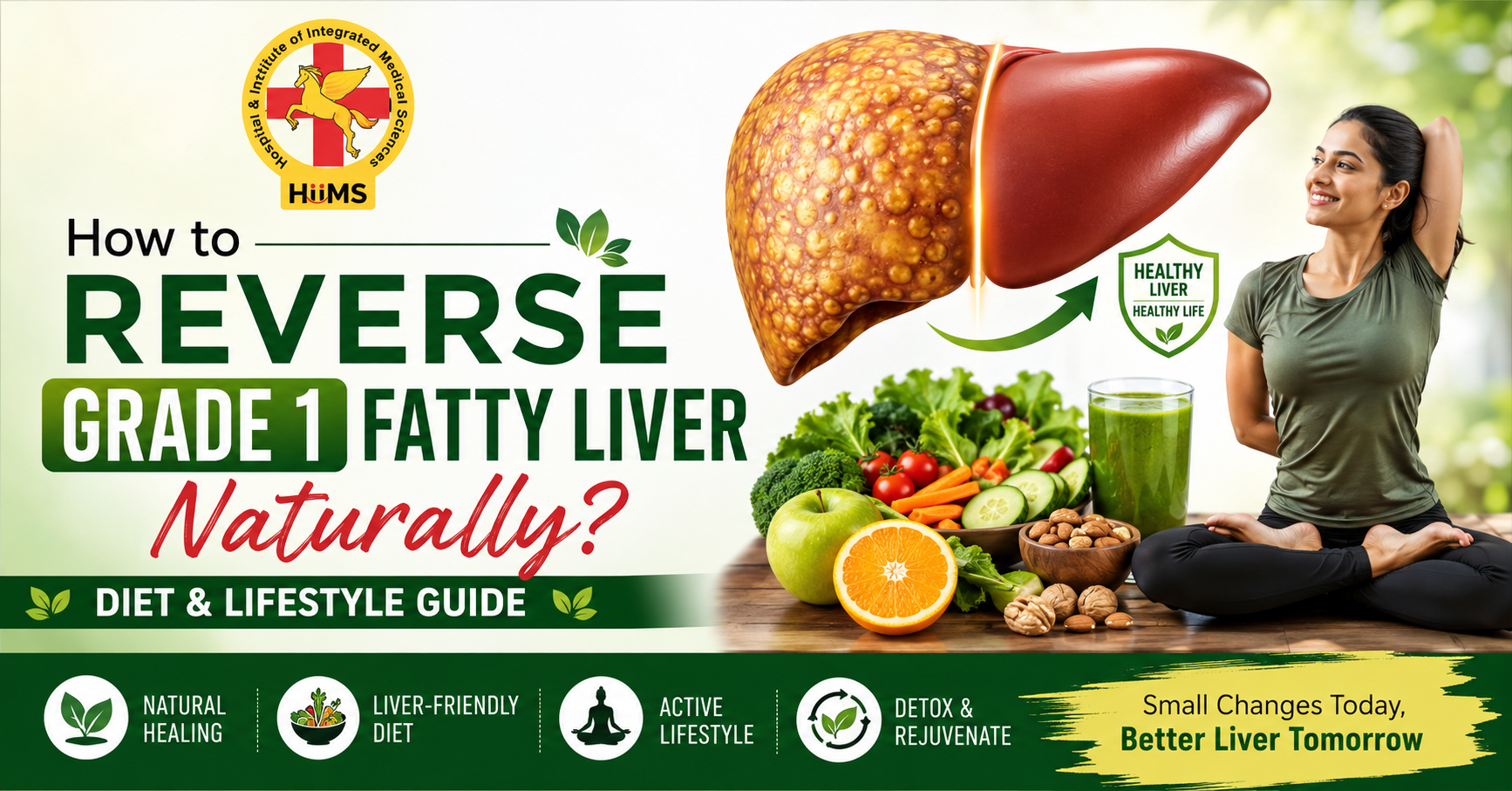
Grade 1 fatty liver is an early stage of fatty liver disease in which excess fat begins to accumulate in the liver. It is often considered a mild condition, but it should not be ignored. With appropriate dietary changes, regular physical activity, healthy weight management, adequate sleep, and other positive lifestyle habits, many people can support better liver health and potentially reduce liver fat.
The good news is that early-stage fatty liver can often respond well to consistent lifestyle improvements. This guide explains practical ways to support liver health naturally and how Jeena Sikho HiiMS approaches overall wellness through personalized health guidance.
What Is Grade 1 Fatty Liver?
Grade 1 fatty liver refers to a mild accumulation of fat in the liver. It may be identified during an abdominal ultrasound or other evaluation. At this stage, some people may not experience noticeable symptoms, which is why it can sometimes be discovered incidentally.
The liver plays an important role in digestion, metabolism, nutrient processing, and the body's natural detoxification processes. Supporting healthy eating habits and maintaining an active lifestyle can therefore be an important part of managing early fatty liver.
Can Grade 1 Fatty Liver Be Reversed Naturally?
In many cases, early fatty liver can improve when the underlying lifestyle factors contributing to excess liver fat are addressed. However, the results can vary from person to person.
A sustainable approach generally focuses on:
- Eating a balanced, nutrient-rich diet
- Reducing excess sugar and highly processed foods
- Maintaining a healthy body weight
- Exercising regularly
- Limiting or avoiding alcohol
- Getting adequate sleep
- Managing daily stress
- Following appropriate health guidance and monitoring
The goal is not to follow a short-term restrictive diet but to develop habits that can be maintained over time.
Follow a Liver-Friendly Diet
Diet is one of the most important areas to focus on when trying to improve liver health. Instead of concentrating on a single food or drink, build meals around whole and minimally processed foods.
Include plenty of vegetables such as leafy greens, carrots, cucumbers, tomatoes, gourds, beans, and other seasonal vegetables. Fruits can also be included in appropriate portions.
Choose whole grains and high-fibre foods such as oats, brown rice, whole wheat, millets, legumes, and pulses. Adequate dietary fibre can support overall metabolic health.
Healthy sources of protein may include pulses, beans, lentils, nuts, seeds, and other suitable protein-rich foods according to individual dietary preferences.
Reduce Added Sugar
Excess added sugar is an important dietary factor to address when working on better metabolic and liver health.
Try to reduce foods and beverages containing large amounts of added sugar, including:
- Soft drinks and sugary beverages
- Packaged fruit drinks
- Sweetened tea and coffee
- Cakes and pastries
- Candies and sweets
- Sugar-heavy breakfast cereals
- Highly processed desserts
Instead, choose whole fruits and unsweetened beverages. Reading food labels can also help identify hidden sources of added sugar.
Avoid Excessively Processed Foods
Highly processed foods may contain excess calories, refined carbohydrates, added sugar, sodium, and unhealthy fats. Frequent consumption can make maintaining a healthy weight and metabolic balance more difficult.
Reduce your intake of foods such as deep-fried snacks, packaged bakery products, chips, fast foods, and heavily processed ready-to-eat meals.
Whenever possible, prepare fresh meals using vegetables, whole grains, pulses, herbs, and other nutrient-dense ingredients.
Choose Healthy Fats in Moderation
Fat does not necessarily need to be completely removed from the diet. The focus should be on choosing appropriate sources and controlling portions.
Nuts, seeds, and other sources of unsaturated fats can be included as part of a balanced diet. At the same time, avoid making fried and heavily processed foods a regular part of your meals.
Portion control is important because even nutrient-dense foods can contribute excessive calories when consumed in large quantities.
Maintain a Healthy Weight
If excess body weight is contributing to fatty liver, gradual and sustainable weight management can be helpful. Rapid or extreme weight-loss methods are generally not a good approach.
Focus on realistic changes such as eating balanced meals, reducing unnecessary snacking, increasing daily movement, and maintaining regular meal patterns.
Even small improvements in daily habits can become meaningful when maintained consistently over time.
Exercise Regularly
Physical activity is another important component of a liver-friendly lifestyle. Exercise can support healthy metabolism, energy balance, and overall fitness.
Aim for regular activities such as:
- Brisk walking
- Cycling
- Swimming
- Yoga
- Strength exercises
- Stretching and mobility exercises
If you are new to exercise, start gradually and increase activity according to your fitness level. Consistency is generally more important than exercising intensely for a short period and then stopping.
Stay Hydrated
Adequate hydration supports normal body functions and can help maintain healthy daily routines. Water should generally be the primary beverage throughout the day.
Instead of relying on sugary drinks, choose plain water or other unsweetened beverages. Individual fluid requirements can vary depending on factors such as activity level, climate, and overall health.
Get Enough Quality Sleep
Sleep is often overlooked when discussing liver health. Poor sleep patterns can negatively affect appetite, energy, and metabolic health.
Try to maintain a consistent sleep and wake schedule. Create a relaxing bedtime routine, limit unnecessary screen exposure before sleeping, and aim for adequate restorative sleep each night.
Good sleep can complement dietary and physical-activity improvements as part of a healthy lifestyle.
Manage Stress Naturally
Long-term stress can make it harder to maintain healthy eating, exercise, and sleep habits. Developing simple stress-management practices can therefore support overall wellness.
Consider activities such as:
- Deep breathing
- Meditation
- Yoga
- Gentle stretching
- Walking outdoors
- Reading
- Spending time with family
- Practising relaxation techniques
Choose methods that are comfortable and realistic enough to incorporate into your everyday routine.
Avoid Alcohol and Unnecessary Dietary Excesses
Alcohol can place additional strain on the liver. People concerned about fatty liver should discuss alcohol consumption with a qualified healthcare professional and consider avoiding it.
It is also wise to avoid unnecessary supplements, herbal products, or restrictive detox diets without appropriate professional guidance. "Natural" does not automatically mean suitable for everyone.
Build a Consistent Daily Routine
A healthy routine can make lifestyle changes easier to maintain. Try to establish regular meal timings, daily physical activity, sufficient sleep, hydration, and periods of relaxation.
Rather than attempting several drastic changes at once, start with a few achievable habits and gradually build upon them.
For example, you could begin by replacing sugary beverages with water, walking for 30 minutes most days, adding more vegetables to meals, and reducing fried foods.
How Jeena Sikho HiiMS Can Support Your Wellness Journey?
Jeena Sikho HiiMS focuses on a holistic approach to health and encourages individuals to understand their overall lifestyle, dietary habits, and wellness needs.
For people concerned about fatty liver, personalized guidance can help identify practical dietary and lifestyle changes based on individual requirements. A structured approach can make it easier to maintain healthy habits consistently rather than relying on quick fixes.
When Should You Seek Professional Guidance?
Although Grade 1 fatty liver is an early stage, it is important not to assume that every case will progress or improve in exactly the same way. Liver health can be influenced by body weight, diet, physical activity, metabolic factors, alcohol consumption, medications, and other individual circumstances.
If you have been diagnosed with fatty liver, regular health evaluation and appropriate professional guidance can help you understand your condition and monitor your progress.
Final Thoughts
Reversing or improving Grade 1 fatty liver naturally is primarily about making sustainable lifestyle choices. A balanced diet, reduced intake of added sugar and processed foods, regular exercise, healthy weight management, adequate sleep, stress management, hydration, and avoiding alcohol can all contribute to better overall liver health.
There is no single food, drink, or quick remedy that works for everyone. Consistency is the key. By gradually adopting healthier habits and seeking appropriate guidance from Jeena Sikho HiiMS, you can take meaningful steps toward supporting your liver and overall well-being.