
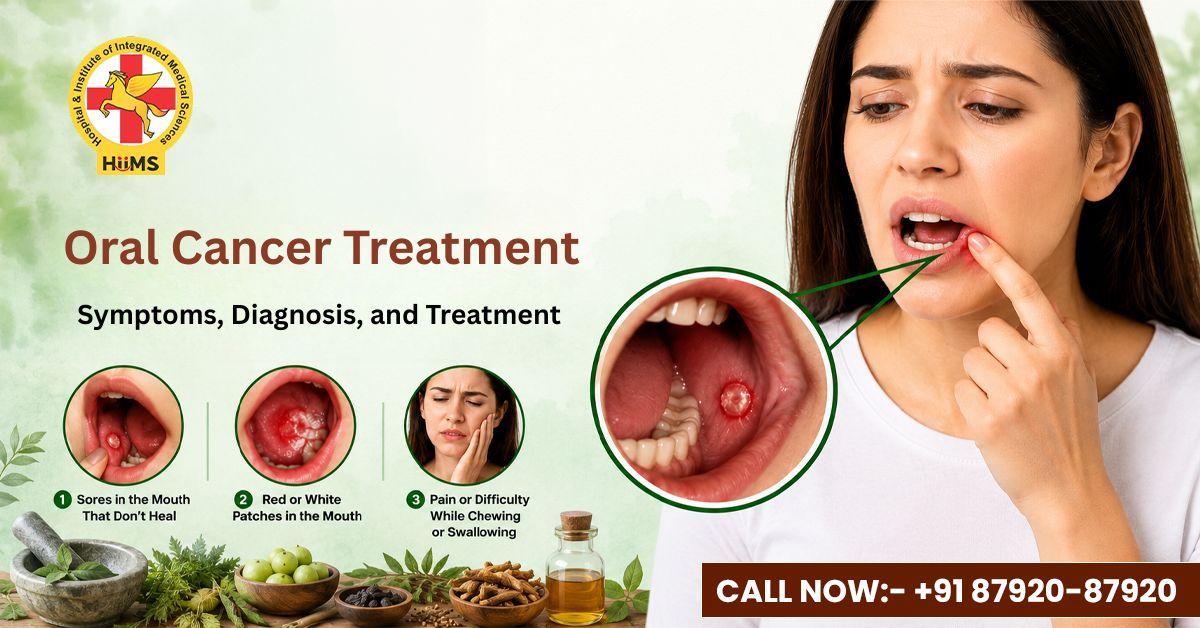
Oral cancer is a serious health condition that affects different parts of the mouth, including the lips, tongue, cheeks, gums, palate, and the floor of the mouth. When detected early and managed with the right approach, individuals can improve their quality of life and overall well-being. Along with medical guidance, many people also explore Ayurveda to support their health naturally.
At Jeena Sikho HiiMS, the focus is on promoting holistic wellness through Ayurvedic principles, personalized lifestyle recommendations, herbal support, and dietary guidance. This guide explains the symptoms, diagnosis, and Ayurvedic approach to oral cancer treatment in an easy-to-understand manner.
What Is Oral Cancer?
Oral cancer refers to the uncontrolled growth of abnormal cells in any part of the oral cavity. It usually develops gradually and may begin as a painless sore or patch inside the mouth. If ignored, these abnormal cells can spread to nearby tissues, making early recognition essential.
Regular oral examinations and timely consultation with qualified healthcare professionals play an important role in identifying changes at an early stage.
Common Symptoms of Oral Cancer
The symptoms of oral cancer may differ from person to person. Some signs are mild in the beginning, making them easy to overlook.
1. Persistent Mouth Sores
A sore or ulcer that does not heal even after two weeks should not be ignored.
2. White or Red Patches
White, red, or mixed-colored patches inside the mouth may indicate abnormal tissue changes.
3. Difficulty in Chewing or Swallowing
Pain or discomfort while eating or swallowing can be an early warning sign.
4. Lump or Thickening
A lump, swelling, or thickened area inside the mouth, on the gums, or in the neck may require medical evaluation.
5. Persistent Mouth Pain
Continuous pain or tenderness in the mouth without an obvious cause should be examined.
6. Loose Teeth
Teeth becoming loose without gum disease or injury may indicate an underlying concern.
7. Difficulty Speaking
Changes in speech or difficulty moving the tongue and jaw can occur as the condition progresses.
8. Bad Breath
Persistent bad breath that does not improve despite maintaining good oral hygiene may also be associated with oral health problems.
What Causes Oral Cancer?
Several factors may increase the likelihood of developing oral cancer. Understanding these factors can help individuals adopt healthier lifestyle choices.
1. Tobacco Use
Smoking and chewing tobacco are among the major risk factors for oral cancer.
2. Excessive Alcohol Consumption
Frequent alcohol consumption may increase the risk, especially when combined with tobacco use.
3. Poor Oral Hygiene
Neglecting oral care can contribute to long-term oral health problems.
4. Nutritional Deficiencies
A diet lacking essential vitamins, minerals, and antioxidants may affect overall oral health.
5. Prolonged Sun Exposure
Continuous exposure to sunlight without protection may increase the risk of lip cancer.
6. Family History
Some individuals may have a higher risk due to genetic factors.
How Is Oral Cancer Diagnosed?
Early diagnosis allows timely planning for appropriate care. Healthcare professionals evaluate symptoms, medical history, and oral health before recommending further assessment.
1. Physical Examination
The mouth, tongue, gums, lips, throat, and neck are carefully examined for unusual changes.
2. Medical History Review
Doctors ask about symptoms, lifestyle habits, and family history to understand possible risk factors.
3. Diagnostic Tests
If required, healthcare professionals may recommend appropriate investigations to confirm the diagnosis and understand the extent of the condition.
Ayurvedic Perspective on Oral Cancer
According to Ayurveda, health depends on the balance of the body's natural energies (Doshas), proper digestion (Agni), healthy tissues (Dhatus), and effective elimination of toxins (Ama). When these become imbalanced, various health conditions may develop.
Ayurveda emphasizes identifying the root cause rather than focusing only on symptoms. The goal is to support the body's natural healing process through individualized care.
Ayurvedic Oral Cancer Treatment at Jeena Sikho HiiMS
At Jeena Sikho HiiMS, oral cancer management through Ayurveda focuses on improving overall wellness by combining herbal support, nutrition, lifestyle modifications, and holistic healing practices. Treatment plans are personalized according to the individual's health condition and Ayurvedic assessment.
1. Personalized Ayurvedic Consultation
Each individual receives a detailed evaluation to understand their body constitution, digestive health, and overall condition before creating a customized wellness plan.
2. Herbal Formulations
Traditional Ayurvedic herbs are selected based on individual health needs to support overall wellness and help maintain the body's natural balance.
3. Detoxification Support
Ayurveda focuses on reducing the accumulation of toxins through suitable dietary practices and cleansing approaches whenever considered appropriate by Ayurvedic experts.
4. Dietary Recommendations
Nutrition plays a significant role in supporting general health. Fresh fruits, seasonal vegetables, whole grains, healthy fats, and easily digestible meals are commonly recommended according to individual needs.
5. Lifestyle Management
Proper sleep, stress management, regular physical activity, and healthy daily routines are encouraged to promote better overall health.
Lifestyle Tips to Support Oral Health
Healthy habits can contribute to maintaining good oral health and reducing the risk of complications.
1. Quit Tobacco Completely
Avoid smoking and chewing tobacco products.
2. Limit Alcohol Consumption
Reducing alcohol intake supports better oral and overall health.
3. Maintain Good Oral Hygiene
Brush twice daily, clean the tongue, floss regularly, and schedule routine dental check-ups.
4. Eat a Balanced Diet
Include antioxidant-rich fruits, green leafy vegetables, nuts, seeds, and whole grains in your daily meals.
5. Stay Hydrated
Adequate water intake helps maintain oral moisture and supports overall body functions.
6. Manage Stress
Yoga, meditation, breathing exercises, and mindfulness practices may help maintain physical and mental well-being.
When Should You Seek Medical Advice?
Do not ignore symptoms that persist for more than two weeks. You should seek professional evaluation if you notice:
- A mouth ulcer that does not heal.
- Persistent pain or bleeding in the mouth.
- Difficulty swallowing or chewing.
- A lump in the mouth or neck.
- White or red patches inside the mouth.
- Changes in speech or persistent hoarseness.
- Unexplained weight loss accompanied by oral symptoms.
Early consultation can help determine the cause of these symptoms and guide appropriate management.
Why Choose Jeena Sikho HiiMS?
Jeena Sikho HiiMS follows an Ayurvedic approach that emphasizes holistic wellness and individualized care. The hospital focuses on understanding each person's health condition and creating personalized plans based on Ayurvedic principles. The approach includes herbal support, dietary guidance, lifestyle recommendations, and continuous wellness monitoring to help patients improve their overall quality of life. The goal is to support the body's natural healing mechanisms while encouraging long-term healthy habits.
Conclusion
Oral cancer is a condition that should never be ignored. Recognizing early symptoms, seeking timely diagnosis, and following a comprehensive wellness plan can make a meaningful difference in overall health. Ayurveda focuses on restoring balance within the body through personalized care, healthy nutrition, herbal support, and lifestyle modifications.
At Jeena Sikho HiiMS, individuals receive holistic Ayurvedic guidance designed to support their overall well-being through natural principles. If you notice persistent oral symptoms or have concerns about your oral health, consult a qualified healthcare professional promptly. Early evaluation and an informed approach to care remain essential for maintaining better health and quality of life.