
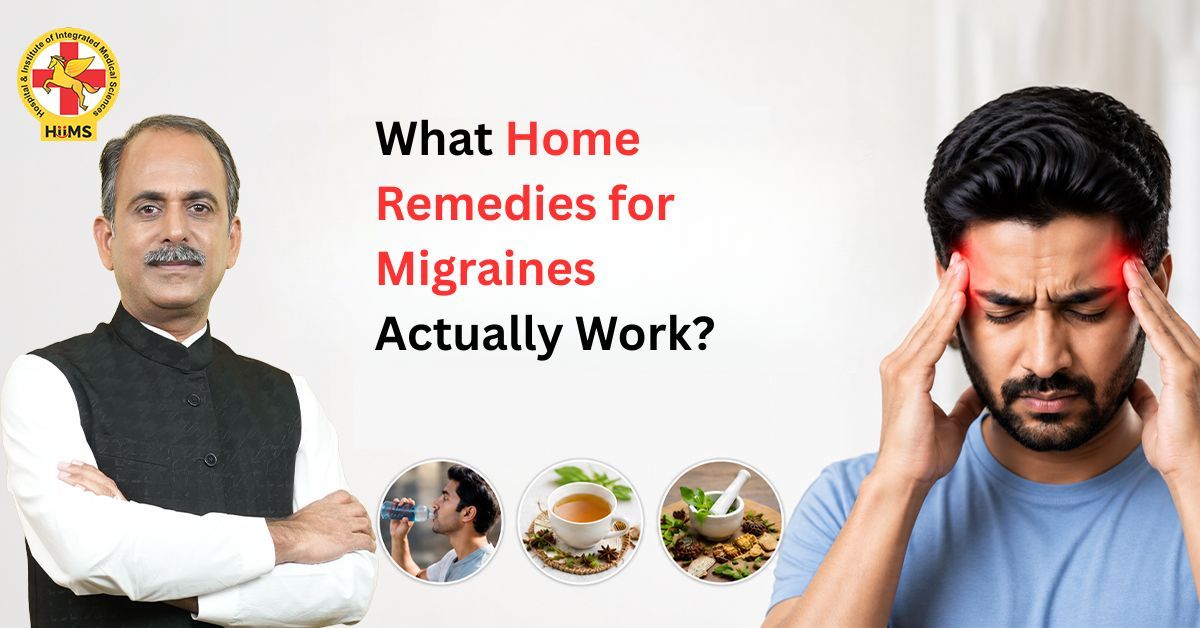
Migraines are more than just headaches. They can cause intense throbbing pain, sensitivity to light and sound, nausea, and difficulty performing daily activities. Many people look for natural ways to manage migraine symptoms and reduce the frequency of attacks. While home remedies for migraine may not work the same way for everyone, adopting healthy lifestyle habits and natural practices can make a noticeable difference.
At Jeena Sikho HiiMS, the focus is on supporting overall wellness through Ayurveda, a balanced diet, and healthy daily routines. These natural approaches aim to address the root causes of health concerns while promoting long-term well-being.
Understanding Migraines
A migraine is a neurological condition that often causes severe headaches, usually on one side of the head. The pain may last from a few hours to several days and can interfere with work, sleep, and personal life.
Common symptoms include:
- Throbbing or pulsating headache
- Sensitivity to light and sound
- Nausea or vomiting
- Blurred vision
- Fatigue
- Dizziness
- Difficulty concentrating
Identifying personal triggers and following healthy habits may help reduce migraine episodes.
Common Migraine Triggers
Understanding what causes migraines is an important step toward prevention. Some common triggers include:
- Stress and anxiety
- Lack of sleep
- Skipping meals
- Dehydration
- Excessive screen time
- Hormonal changes
- Certain foods
- Strong smells
- Weather changes
Keeping a migraine diary can help identify patterns and avoid known triggers.
Home Remedies for Migraines That May Help
Several natural remedies and lifestyle practices may provide relief from migraine symptoms and help reduce their occurrence.
1. Stay Well Hydrated
Dehydration is one of the most common migraine triggers. Drinking enough water throughout the day supports proper body functions and may help prevent headaches.
Simple hydration tips include:
- Drink water regularly instead of waiting until you feel thirsty.
- Increase fluid intake during hot weather.
- Include natural fluids like coconut water if appropriate.
- Reduce excessive caffeine consumption.
Maintaining proper hydration is a simple yet effective habit for migraine management.
2. Get Quality Sleep
Irregular sleeping patterns can contribute to migraines. Both insufficient sleep and oversleeping may trigger attacks.
Healthy sleep habits include:
- Going to bed at the same time every night.
- Waking up at a consistent time.
- Avoiding screen exposure before bedtime.
- Creating a calm and comfortable sleeping environment.
Good sleep supports overall brain health and helps maintain the body's natural rhythm.
3. Practice Stress Management
Stress is one of the leading causes of migraine episodes. Managing daily stress can significantly improve overall well-being.
Helpful stress-relieving practices include:
- Deep breathing exercises
- Meditation
- Gentle stretching
- Spending time in nature
- Listening to calming music
- Maintaining a healthy work-life balance
Regular relaxation practices may reduce the intensity and frequency of migraines.
4. Apply a Cold Compress
A cold compress placed on the forehead or back of the neck may help provide temporary comfort during a migraine episode.
Benefits of Cold Therapy
- May help soothe headache discomfort.
- Can promote relaxation.
- Provides a cooling sensation that many people find comforting.
Use a soft cloth wrapped around an ice pack rather than placing ice directly on the skin.
5. Follow a Balanced Diet
Skipping meals can increase the likelihood of migraines. Eating nutritious meals at regular intervals helps maintain stable energy levels.
Include foods such as:
- Fresh fruits
- Seasonal vegetables
- Whole grains
- Nuts and seeds
- Fresh homemade meals
Try to avoid processed foods if you notice they trigger your symptoms.
6. Limit Screen Time
Extended exposure to mobile phones, computers, and televisions can strain the eyes and contribute to headaches.
To reduce digital strain:
- Follow the 20-20-20 rule.
- Adjust screen brightness.
- Take regular breaks.
- Maintain proper posture while using devices.
Small changes in screen habits may reduce migraine triggers.
7. Gentle Yoga and Stretching
Light physical activity promotes circulation and relaxation. Gentle yoga may help reduce stress and improve flexibility.
Simple practices include:
- Neck stretches
- Shoulder rolls
- Child's pose
- Cat-Cow stretch
- Relaxation breathing
Avoid intense exercise during an active migraine attack.
Ayurvedic Lifestyle Tips for Migraine Wellness
Ayurveda focuses on maintaining harmony between the body, mind, and daily routine. According to Ayurvedic principles, an unhealthy lifestyle, irregular eating habits, poor sleep, and excessive stress can disturb the body's natural balance.
At Jeena Sikho HiiMS, Ayurvedic wellness emphasizes healthy daily practices that support overall health.
Healthy Daily Habits
- Eat meals on time.
- Wake up early.
- Maintain proper hydration.
- Practice meditation daily.
- Avoid excessive mental stress.
- Spend time outdoors.
- Follow a regular sleep schedule.
These habits contribute to overall wellness and may support better headache management.
Foods That May Support Overall Health
While no single food can eliminate migraines, a nutritious diet supports overall body function.
Some wholesome foods include:
- Green leafy vegetables
- Pumpkin seeds
- Almonds
- Fresh fruits
- Oats
- Millets
- Homemade soups
- Fresh seasonal vegetables
Choosing freshly prepared meals over heavily processed foods supports a healthier lifestyle.
Natural Relaxation Techniques
Relaxation plays an important role in reducing stress-related headaches.
1. Deep Breathing
Slow, controlled breathing may calm the nervous system and promote relaxation.
2. Meditation
Daily meditation can improve mental clarity and help manage emotional stress.
3. Gentle Walking
Walking in fresh air supports circulation and helps relieve mental tension.
4. Quiet Environment
Resting in a calm, dark, and quiet room during a migraine may help reduce discomfort for some individuals.
Lifestyle Habits That May Reduce Migraine Frequency
Making small, consistent lifestyle improvements often provides long-term benefits.
Healthy Habits to Follow
- Eat meals at regular times.
- Stay physically active.
- Drink enough water daily.
- Sleep for adequate hours.
- Reduce unnecessary stress.
- Maintain a healthy weight.
- Practice mindfulness regularly.
- Limit excessive screen exposure.
Consistency is often more important than making drastic changes.
When Should You Seek Professional Guidance?
While home remedies may help manage mild or occasional migraines, recurring or severe headaches should not be ignored.
Consider seeking professional guidance if:
- Migraines occur frequently.
- Daily activities are regularly affected.
- Symptoms become more intense over time.
- Headaches interfere with sleep or work.
- You experience new or unusual symptoms.
Early evaluation can help identify contributing factors and support a personalized wellness plan.
How Jeena Sikho HiiMS Supports Holistic Wellness
Jeena Sikho HiiMS promotes a holistic approach to health through Ayurveda, healthy nutrition, lifestyle guidance, and natural wellness practices. Rather than focusing only on symptoms, the emphasis is on improving overall health by encouraging balanced daily routines, mindful living, and sustainable wellness habits. This comprehensive approach aims to help individuals maintain long-term health and improve their quality of life naturally.

Conclusion
Many people find relief from migraines by adopting healthy daily habits and natural home remedies. Staying hydrated, getting quality sleep, managing stress, eating balanced meals, practicing yoga, limiting screen time, and maintaining a consistent routine can all contribute to better overall well-being. Although these remedies may help reduce migraine frequency and improve comfort, results vary from person to person. At Jeena Sikho HiiMS, the focus is on supporting long-term wellness through Ayurveda and healthy lifestyle practices that encourage balance, prevention, and natural health.